Horticulture & engineering — New York
We design in a material that keeps growing.
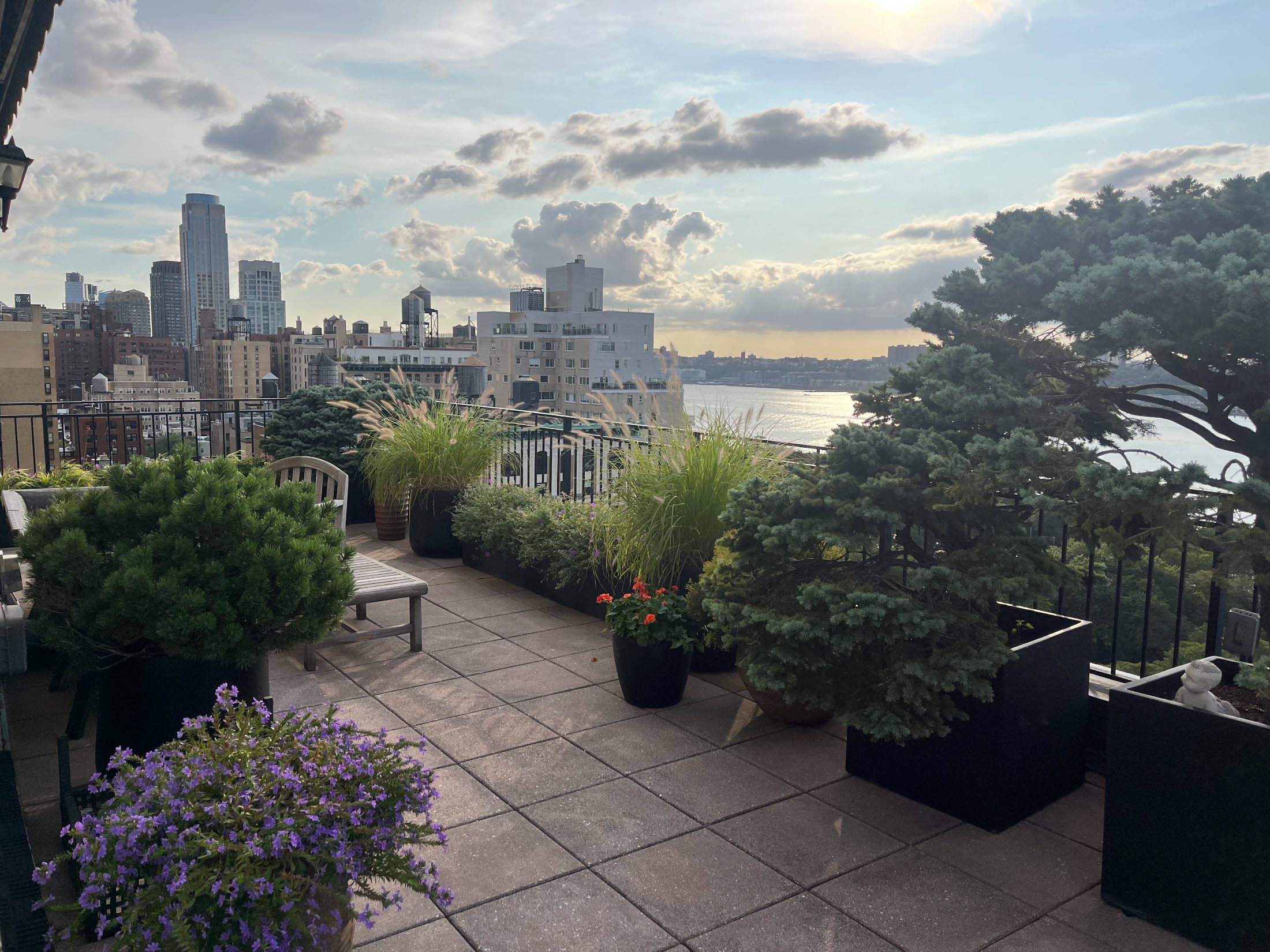
A horticulture and engineering practice in New York, designing living landscapes for rooftops, terraces, courtyards, and other places where growing is anything but simple.
New York, NY
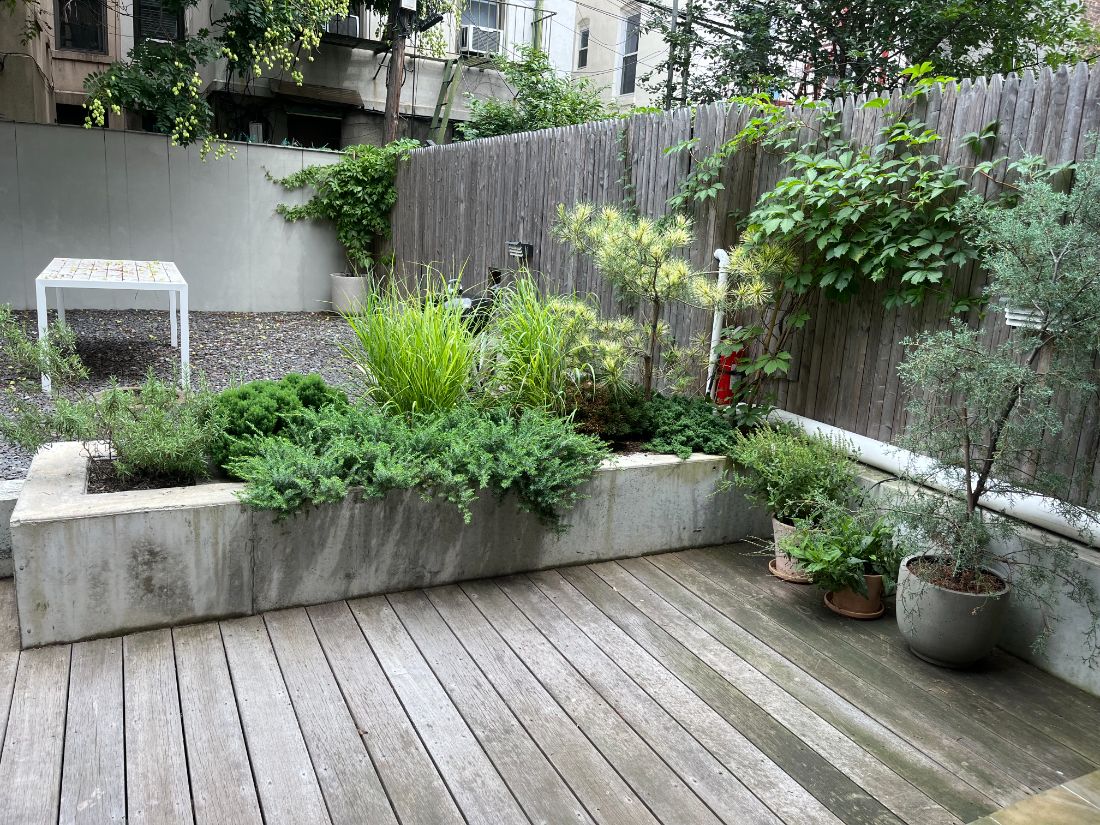
We work within the weight, density, and constraints of the city, on rooftops, terraces, courtyards, façades, interiors, and other private and commercial spaces, creating living environments where plants become part of the architecture and infrastructure of a place.
Our work extends beyond New York City as well, from urban gardens and complex built landscapes to rural estates, ecological restoration, and wetland environments.
Selected work
Landscapes that were never straightforward to plant.
Capabilities
What We Do
Confirmation, in plain terms, that your particular project is one we would take on.
Rooftop and terrace gardens
Planted within load allowances, wind, and full exposure.
Technical consultation
Load, drainage, irrigation, soil volume, and microclimate, resolved before a plant is specified.
Courtyards and plazas
Podium landscapes and shared ground where structure, drainage, and use all meet.
Façade and interior planting
Green walls, atria, and planted thresholds built to survive their light levels.
Private gardens and rural estates
Whole-property planting beyond the city, at the scale of a landscape.
Ecological restoration
Wetland and meadow environments returned to functioning plant communities.
Establishment and stewardship
Watering, pruning, editing, and renewal for as long as you want us involved.
How we think
Approach
Rather than treating horticulture as a decorative layer applied at the end of a project, we approach plants as living systems with structural, environmental, spatial, and long term requirements. Load, drainage, irrigation, soil volume, microclimate, access, establishment, pruning, replacement, and the realities of stewardship are all considered from the beginning.
Maintenance is not an afterthought to design. It is one of the places where design begins.
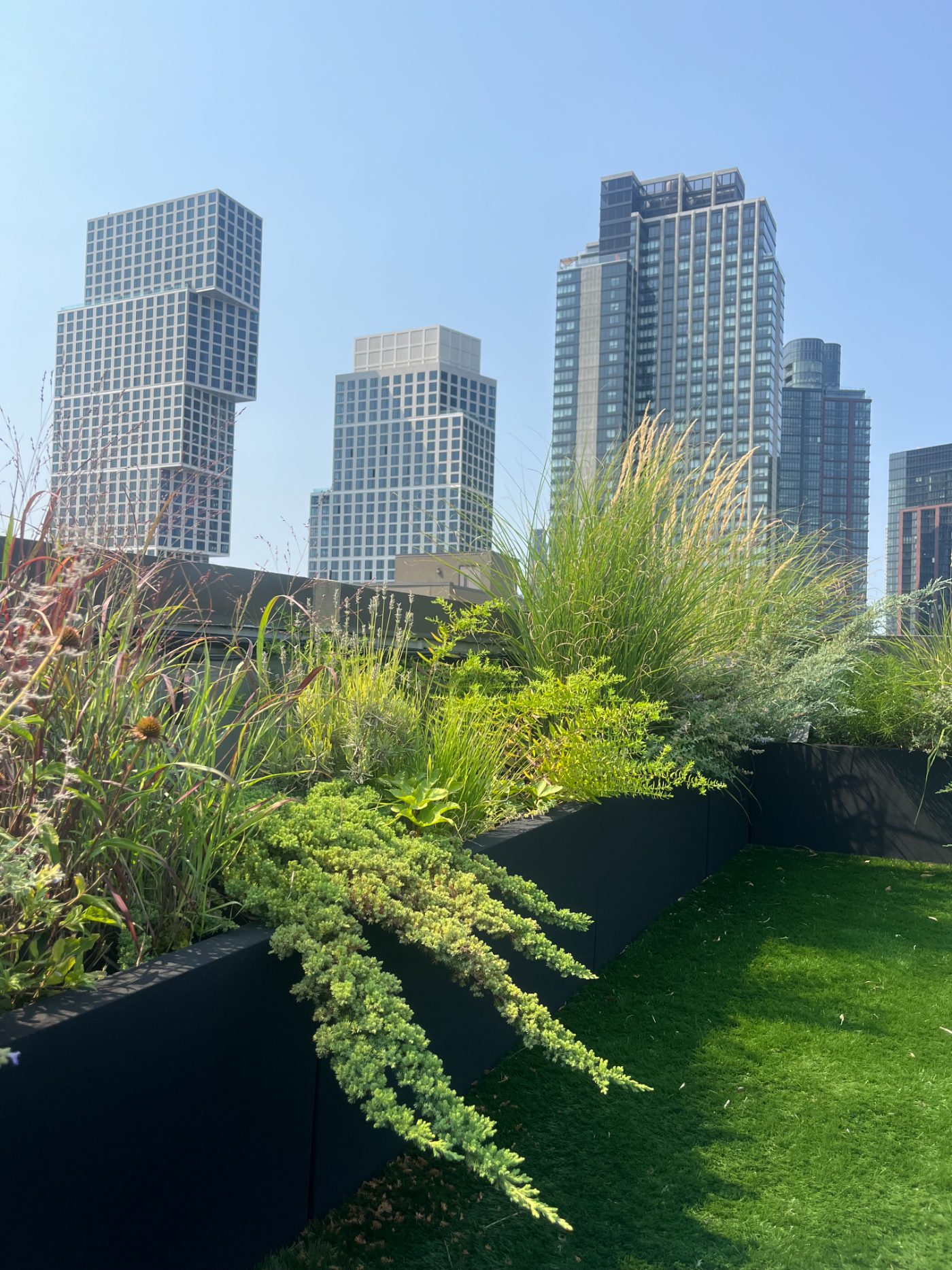
Our planting is intentionally generous, layered, and sometimes unruly. We are less interested in forcing plants into predetermined lines than in creating the conditions for a landscape to develop character, resilience, and atmosphere over time. The objective is not to make a space green. It is to make it genuinely alive.
From the field
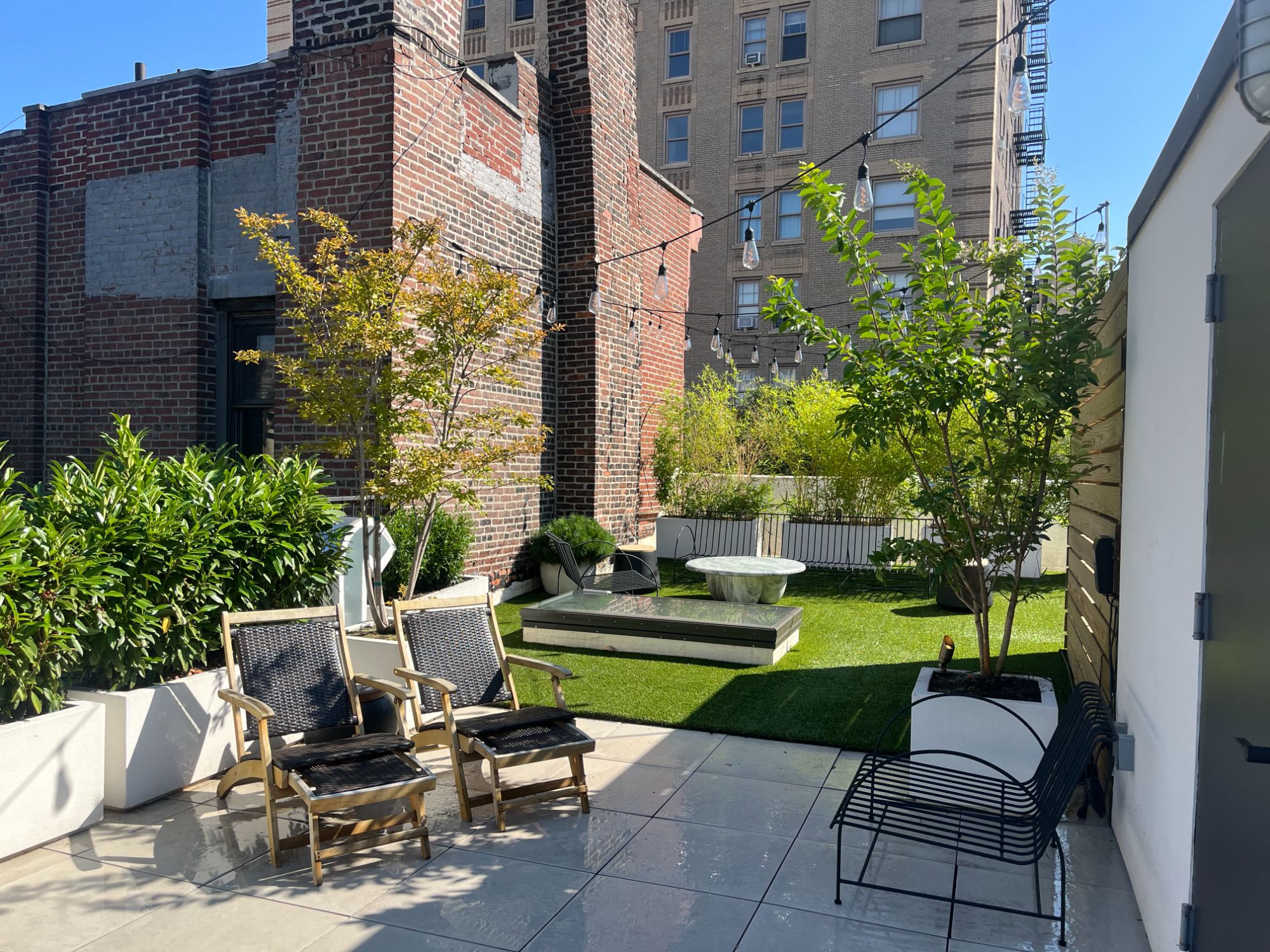
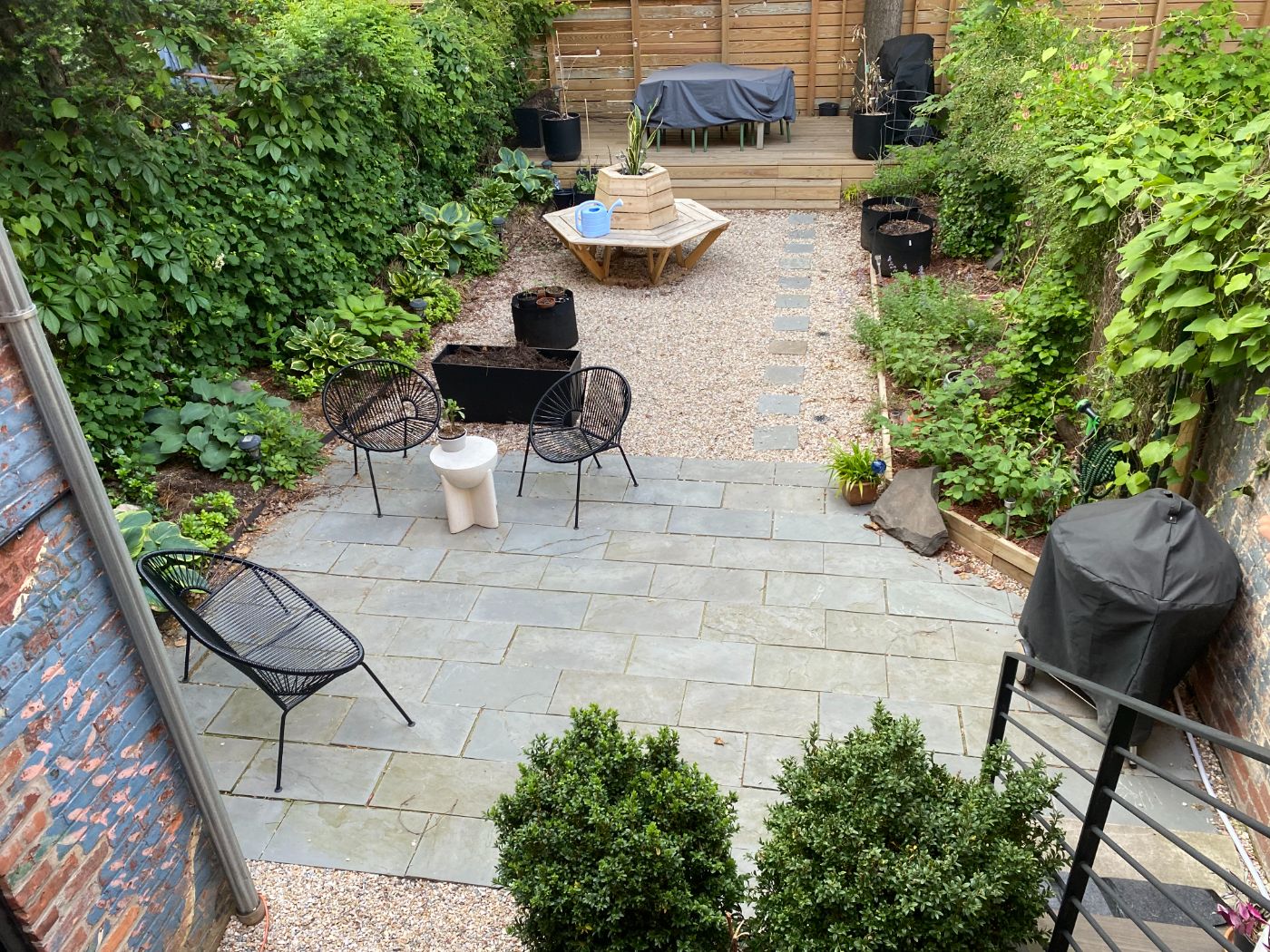
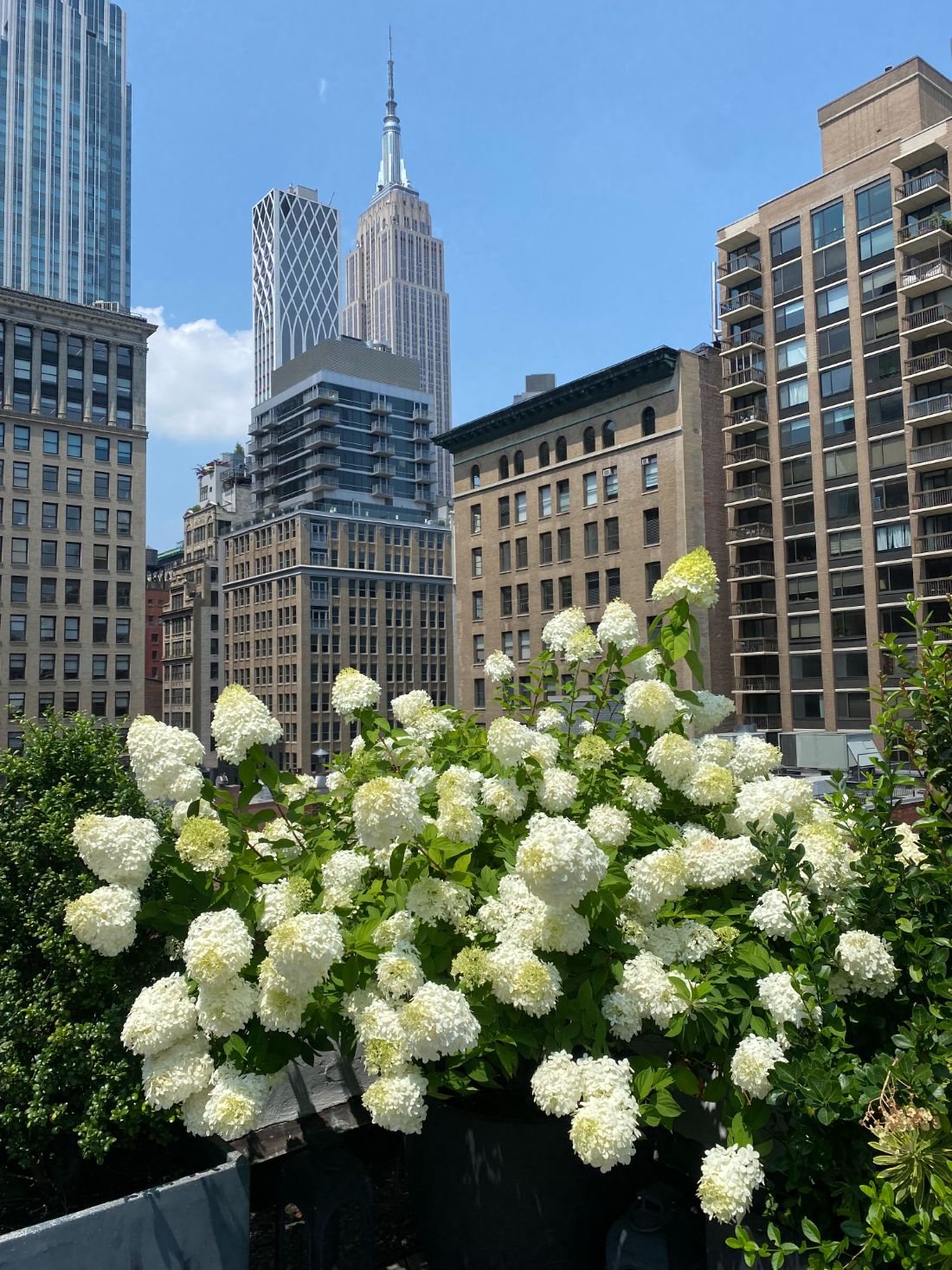
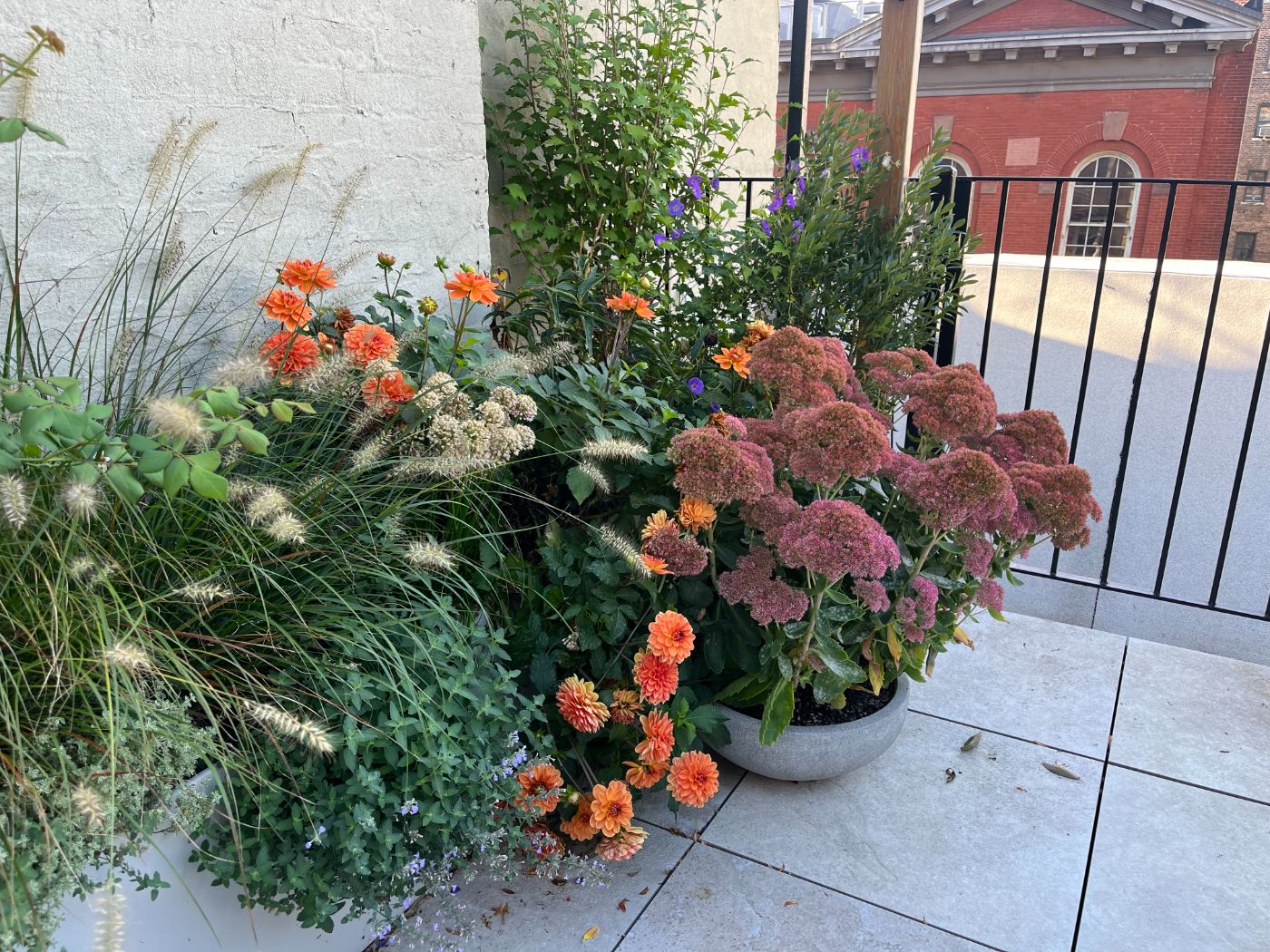
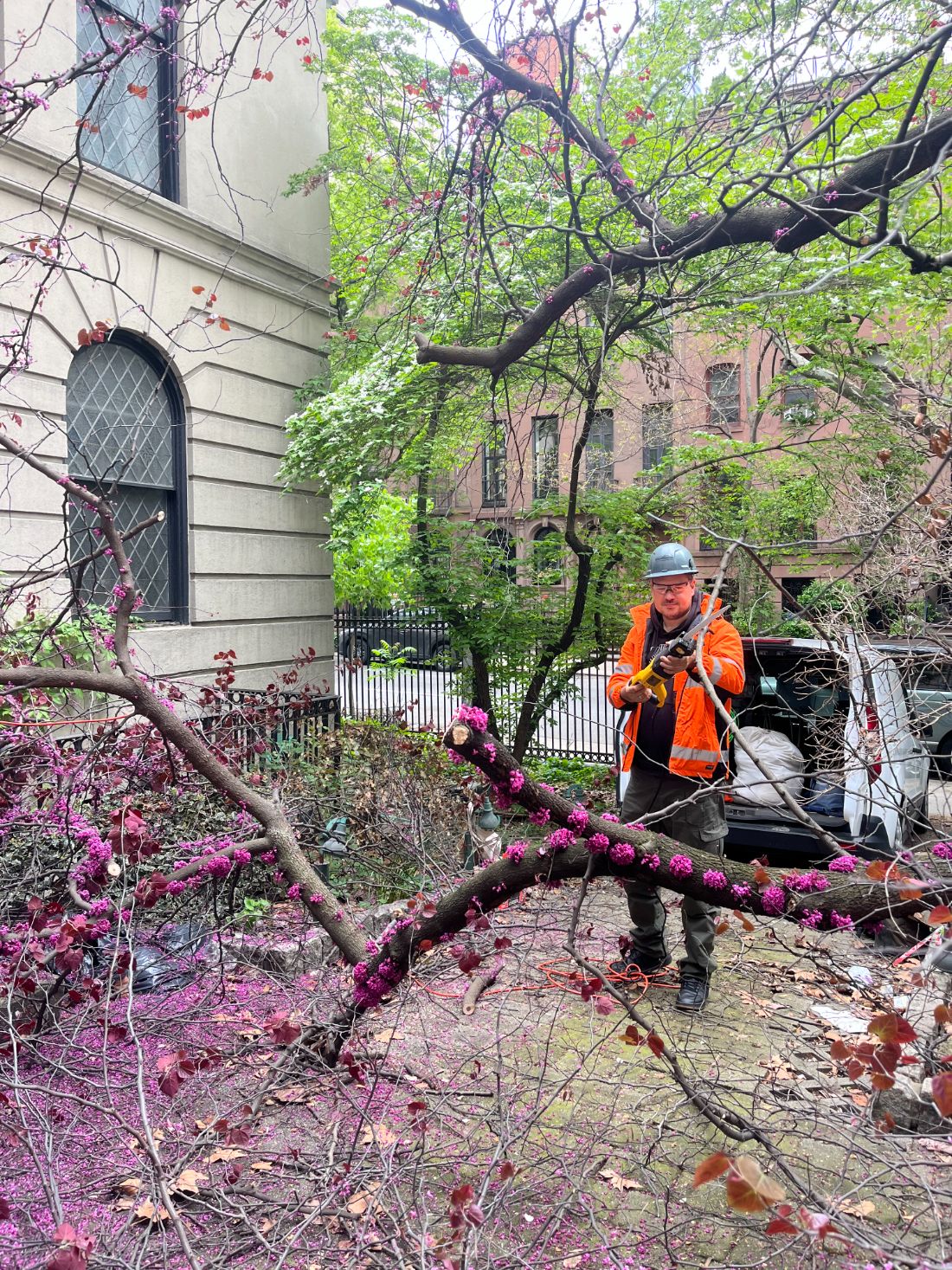
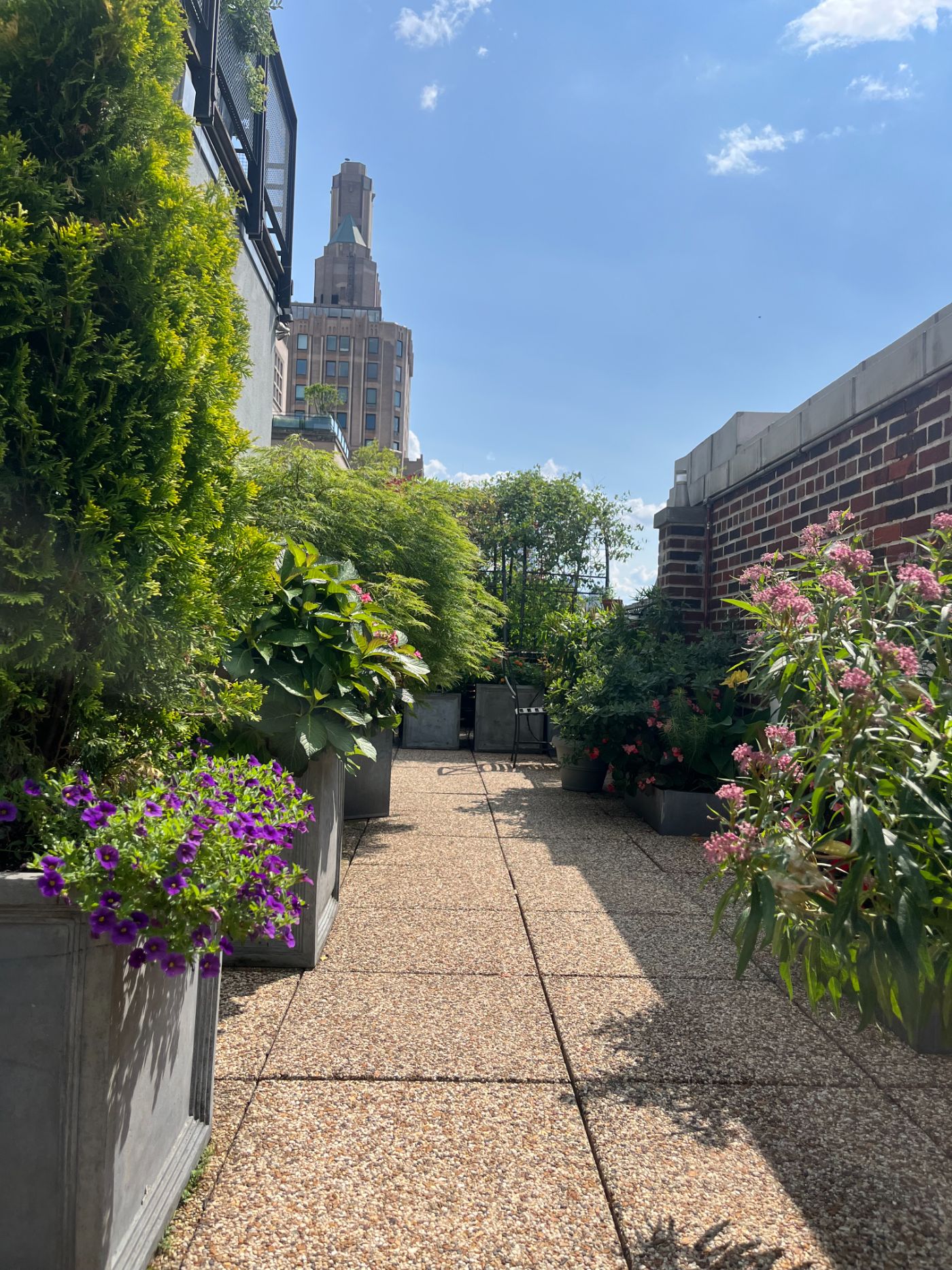
Planting photographed as it is, across seasons.
Process
How a Project Runs
Every site is different, but the sequence rarely changes.
-
01
Site and feasibility
We start with what the place will allow. Structural capacity, light, wind, water access, drainage, and the route materials will take to get there. Most of what a planting can become is decided here.
-
02
Design and documentation
Planting design developed alongside the technical detail that supports it: soil profiles, drainage assemblies, irrigation, and containment. Where architects, engineers, or property managers are involved, we coordinate with them directly.
-
03
Sourcing and installation
We specify and source plants ourselves, and we are on site while they go in. Soil, drainage, and irrigation are built to the detail rather than approximated.
-
04
Establishment
The first two seasons decide whether a planting survives its own ambition. We monitor, water, adjust, and replace where needed.
-
05
Stewardship
Pruning, seasonal care, editing, and renewal, carried out or directed by us for as long as you want us involved.
The studio
Practice and Research
The people behind the work
We are horticulturists, landscape architects, structural professionals, researchers, photographers, and, perhaps most importantly, gardeners. We believe there should be very little distance between the computer and the trowel.
The same hands that draw, calculate, detail, and specify are expected to understand what happens when a project meets soil, water, weather, growth, and time.
Our collaborations with landscape architects, architects, engineers, property managers, landowners, and institutions ensure compliance with regulations and quality building of environments that demand deeper attention.
Journal
Field Notes
Contact
Tell us about the site.
Whether the project is a terrace, a courtyard, an estate, or a question about whether something is possible at all, tell us where it is and what you are hoping for.
hello@horticulturestudio.comSite address, approximate size, building type, and any drawings or photographs you have are all useful, but nothing is required to get started.